Brick walls have a way of grounding a space. Their texture, history, and quiet strength bring a depth that flat surfaces rarely achieve. When paired thoughtfully with brick wall decor, these surfaces move beyond raw structure to become emotional backdrops for everyday living. Rather than overpowering a room, brick walls invite balance-between warmth and restraint, character and calm.
In contemporary homes, brick is no longer limited to industrial lofts. Through intentional wall decor, wall art, and carefully chosen decorative wall items, brick surfaces adapt seamlessly to modern, rustic, and minimalist interiors alike. What once felt raw or utilitarian now becomes a canvas for personal expression, allowing homes to feel both rooted and refined.
Brick walls as emotional and spatial anchors
A brick wall is not simply something to decorate; it is something to respond to. Its uneven surface, natural color variation, and tactile presence already set a tone before any wall decoration is added. Successful brick wall decor respects this foundation rather than competing with it.
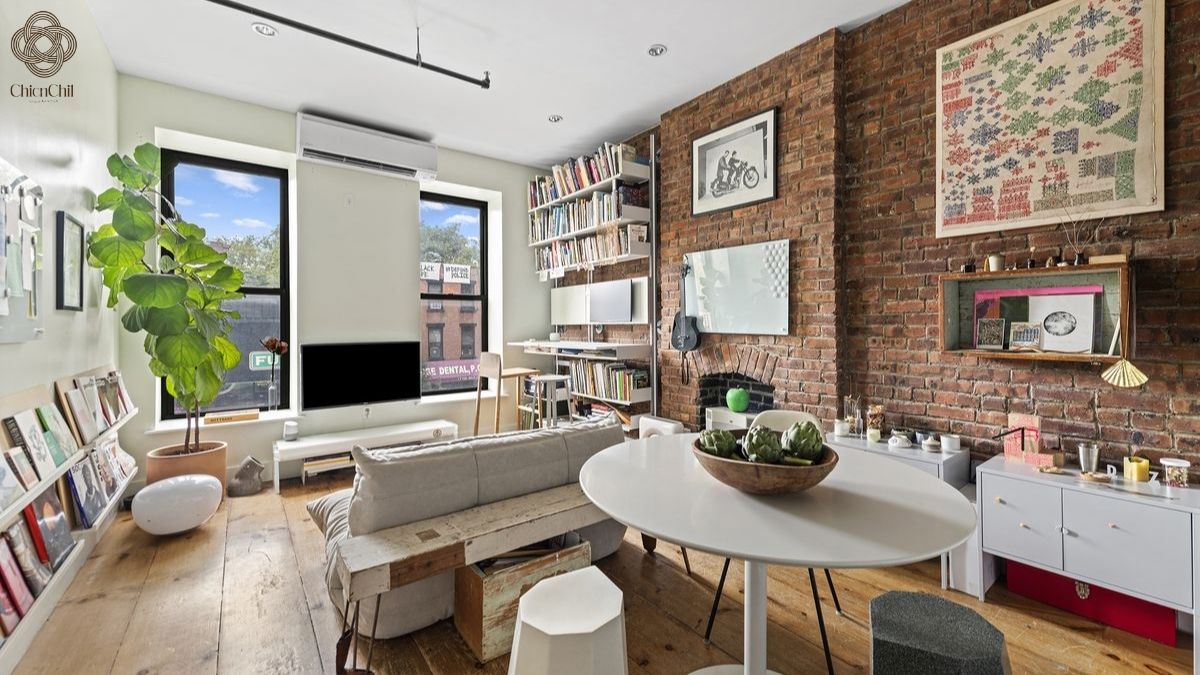
Instead of covering the wall entirely, many interiors allow brick to breathe. Negative space becomes just as important as what is placed upon it. This restraint creates visual rhythm and allows the wall to retain its architectural integrity. The result is a space that feels calm and intentional rather than overly styled.
In homes influenced by curated aesthetics like those seen at Chicnchill, brick walls often function as quiet anchors. They support other elements-furniture, lighting, textiles-while holding emotional weight of their own. Even when left partially bare, brick continues to communicate warmth and stability.
A sense of balance created by complementary materials
One of the most harmonious ways to approach brick wall decor is through natural materials. Wood, woven fibers, ceramics, and muted metals echo the organic qualities of brick, creating continuity rather than contrast. This shared material language helps interiors feel cohesive and timeless.
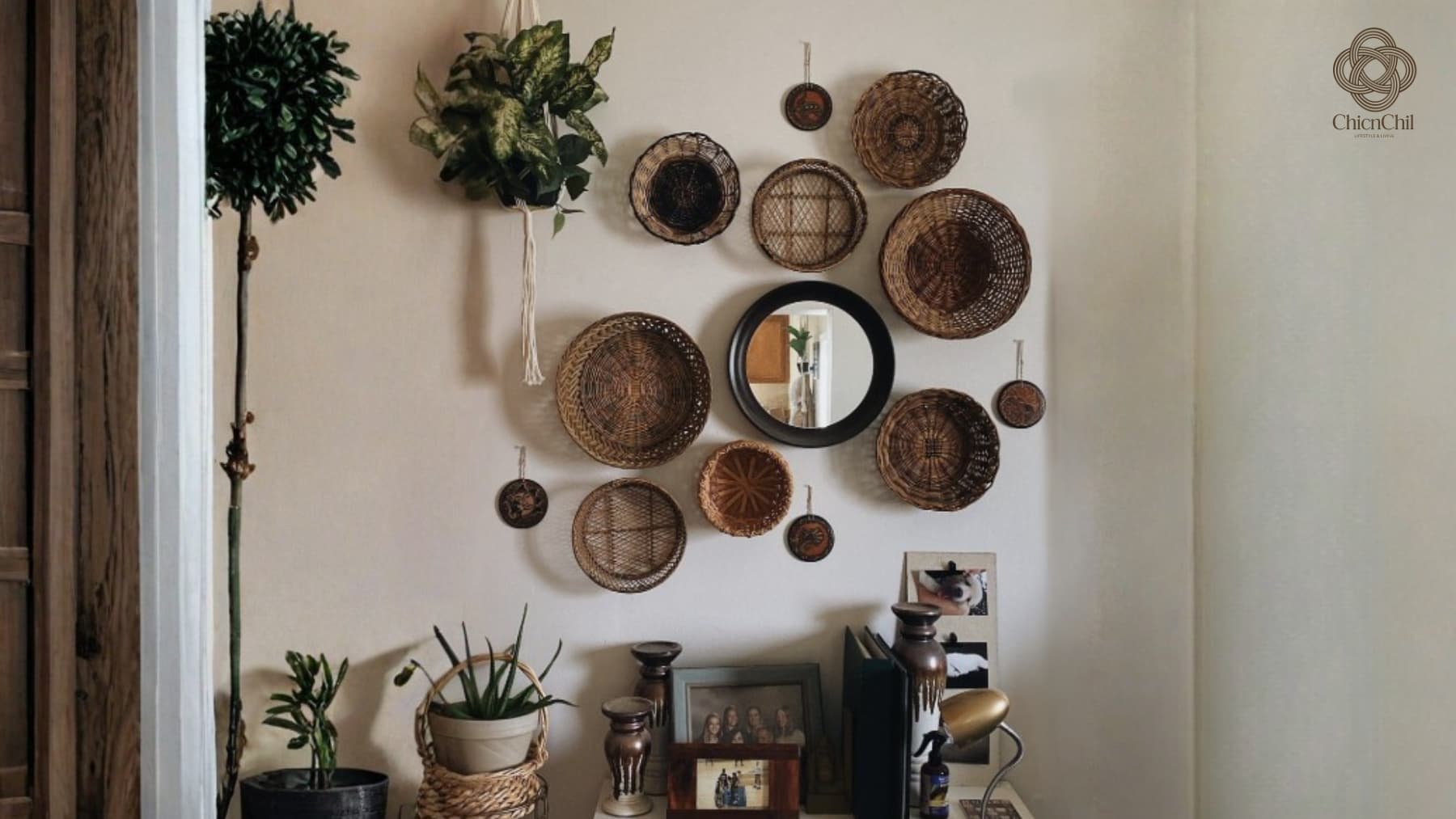
Thoughtfully selected wall art made from raw or lightly finished materials softens the strength of brick. Wooden panels, handcrafted hangings, or understated decorative wall items feel grounded and authentic against textured masonry. These choices are especially effective in living rooms and dining spaces, where comfort and warmth shape the overall home wall decoration experience.

Brick walls naturally carry visual weight, particularly in smaller rooms. Introducing softness through textiles, neutral-toned artwork, or rounded forms helps maintain balance. Fabric-based art, muted prints, and decorative wall items with organic curves gently counteract the wall’s strength without diminishing its character. This balance ensures that the space feels welcoming rather than rigid.
Art placement, minimalism, and personal expression
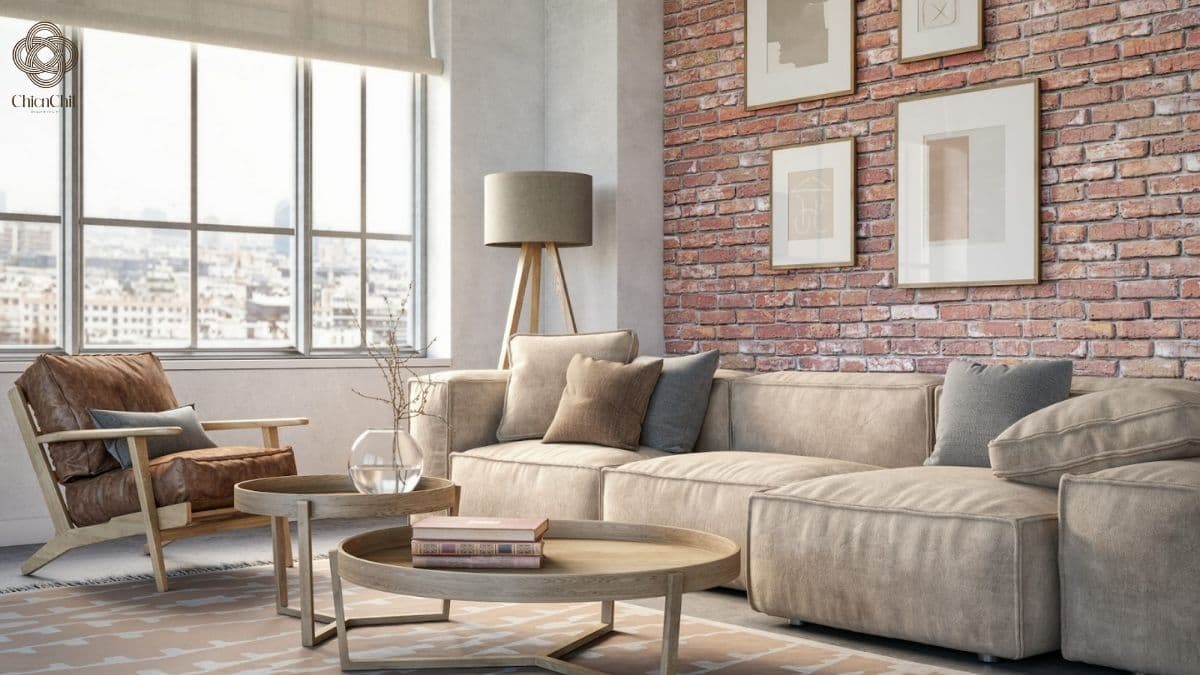
Minimalism and brick may seem contradictory, but when paired carefully, they enhance each other. Clean-lined wall art placed against brick allows both elements to stand out without visual conflict. The simplicity of the artwork highlights the texture of the wall, while the brick adds depth to minimal compositions.
Rather than filling the wall, a single piece of understated art can become a focal point. The contrast between smooth surfaces and rough brick draws attention naturally, without the need for bold colors or oversized forms. This approach demonstrates that brick wall decor does not rely on excess. Often, restraint allows the wall to speak more clearly.
Brick walls are particularly effective in intimate spaces such as reading nooks, bedrooms, or quiet work areas. In these settings, decoration becomes less about presentation and more about personal resonance. Decorative wall items chosen for these areas often carry emotional meaning-objects collected over time, subtle artworks, or symbolic pieces. Because brick absorbs and reflects light differently throughout the day, these personal corners feel dynamic, shifting mood with time and season.
Layering, function, and flexibility
Layering is an effective technique when working with brick walls. Instead of attaching everything directly to the surface, layers can be created through shelves, frames, or hanging systems. This method adds depth while preventing visual heaviness.
Layered wall decor allows interiors to evolve gradually. Art can be rearranged, objects can be added or removed, and the wall continues to feel cohesive. This flexibility makes brick especially appealing in creative spaces, where inspiration and personal taste shift over time.
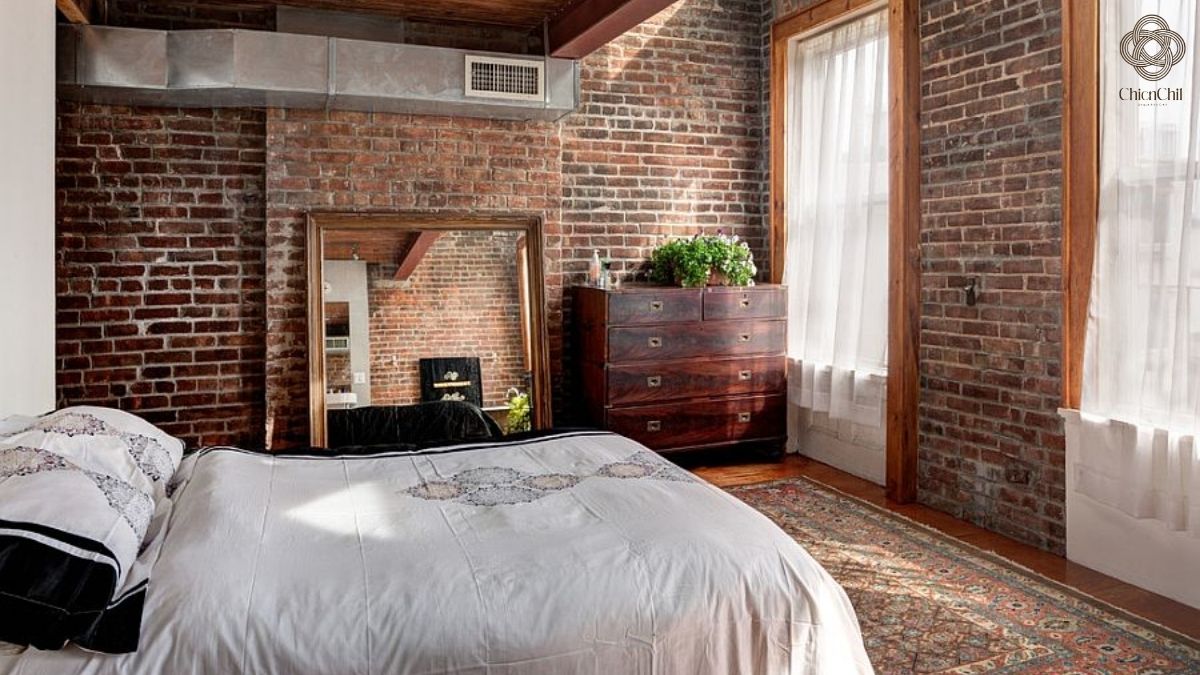
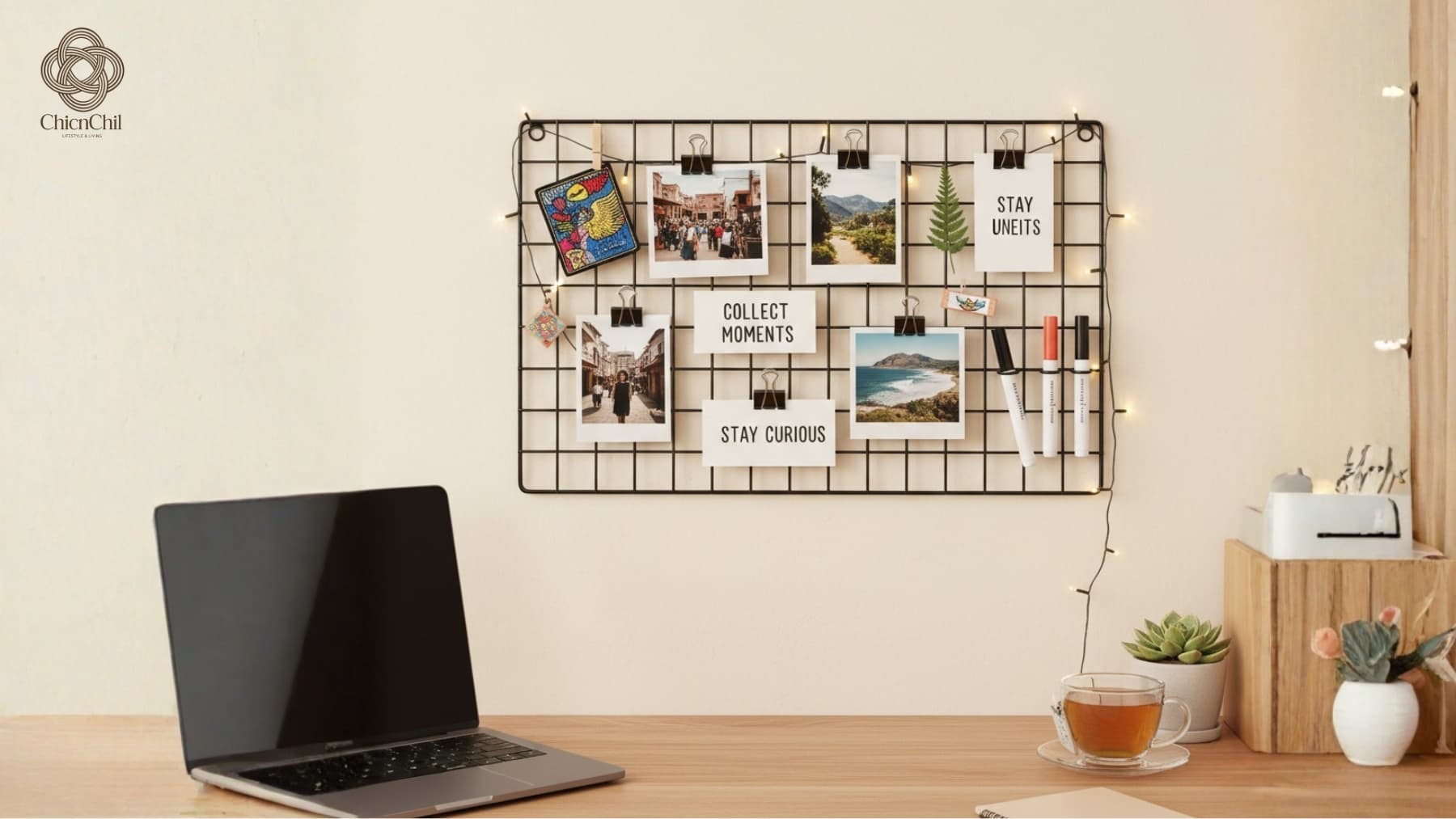
Wall art does not have to serve a decorative purpose alone. Functional elements such as hooks, slim shelves, or multipurpose fixtures can become part of the visual narrative. When designed with intention, these items blend practicality with aesthetics, contributing naturally to daily routines rather than interrupting them. This balance between use and beauty is central to thoughtful home wall decoration, particularly in compact contemporary living spaces.
Brick walls across rooms, light, and time
The versatility of brick walls lies in their adaptability across different rooms. In kitchens, brick paired with minimal wall art creates warmth without distraction, offering a tactile contrast to sleek cabinetry. In hallways, sparse decorative wall items guide movement rather than halt it, allowing brick to add character without visual clutter.
Bedrooms often benefit from quieter expressions. Simple artwork, limited color palettes, and carefully placed wall decoration support rest and relaxation. In these spaces, brick becomes a calming presence rather than a statement feature.
Lighting plays a crucial role in how brick wall decor is experienced. Brick’s texture catches shadows and highlights, making even subtle wall art appear dynamic. Warm lighting enhances the natural tones of brick, creating a cozy atmosphere, while cooler light emphasizes texture and structure. When decor choices consider lighting, the entire composition feels intentional rather than accidental.
Handmade wall art pairs particularly well with brick walls. Both share a sense of imperfection and authenticity that mass-produced items cannot replicate. Artisan decorative wall items-whether ceramic, textile, or mixed media-echo the individuality of brick, creating a shared language between surface and object.
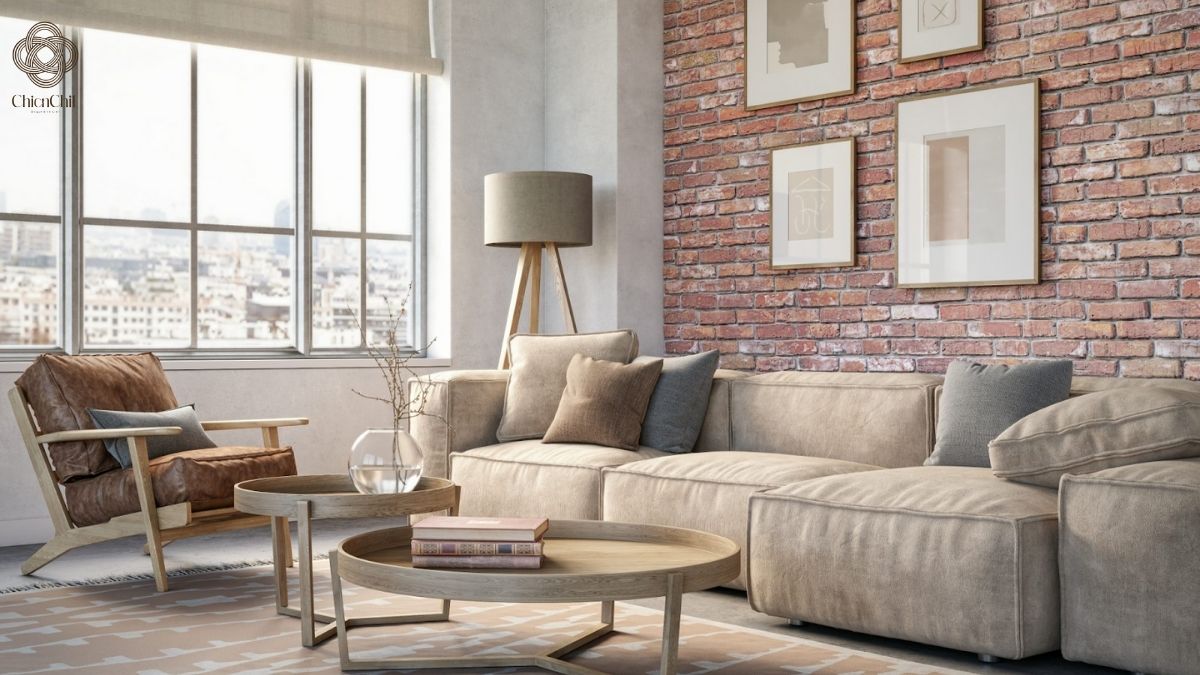
One of the greatest strengths of brick wall decor is its ability to age gracefully. Wall art can rotate, decorative items can change, and the wall itself continues to feel relevant. Rather than committing to a fixed look, homeowners can allow brick walls to grow alongside their lives, reflecting personal history and evolving taste.
Conclusion: the enduring appeal of brick wall decor
Brick walls carry stories-of structure, time, and human touch. Through thoughtful brick wall decor, these surfaces become more than architectural features; they transform into emotional landscapes within the home.
When paired with intentional wall art, balanced wall decor, and carefully chosen decorative wall items, brick walls support both aesthetic harmony and lived experience. In homes shaped by mindful curation, such as those aligned with Chicnchill’s sensibility, brick walls remain quietly powerful-never demanding attention, yet always present.
Sometimes, the most impressive decoration is not what is added, but what is allowed to remain visible.