A gaming setup often reflects personality, mood, and habits formed over countless hours at a desk. Within that environment, small details quietly shape the overall experience. An ergonomic wrist rest for gaming is one of those understated elements, rarely noticed at first glance, yet deeply felt during long sessions. It sits between comfort and function, bridging physical ease with emotional focus. When chosen thoughtfully, it becomes part of the rhythm of play rather than a separate accessory.
Unlike trend-driven gear, wrist support speaks to longevity. It supports not only the hands, but also the intention behind gaming as a form of relaxation, immersion, and personal time.
Why an ergonomic wrist rest for gaming matters beyond posture
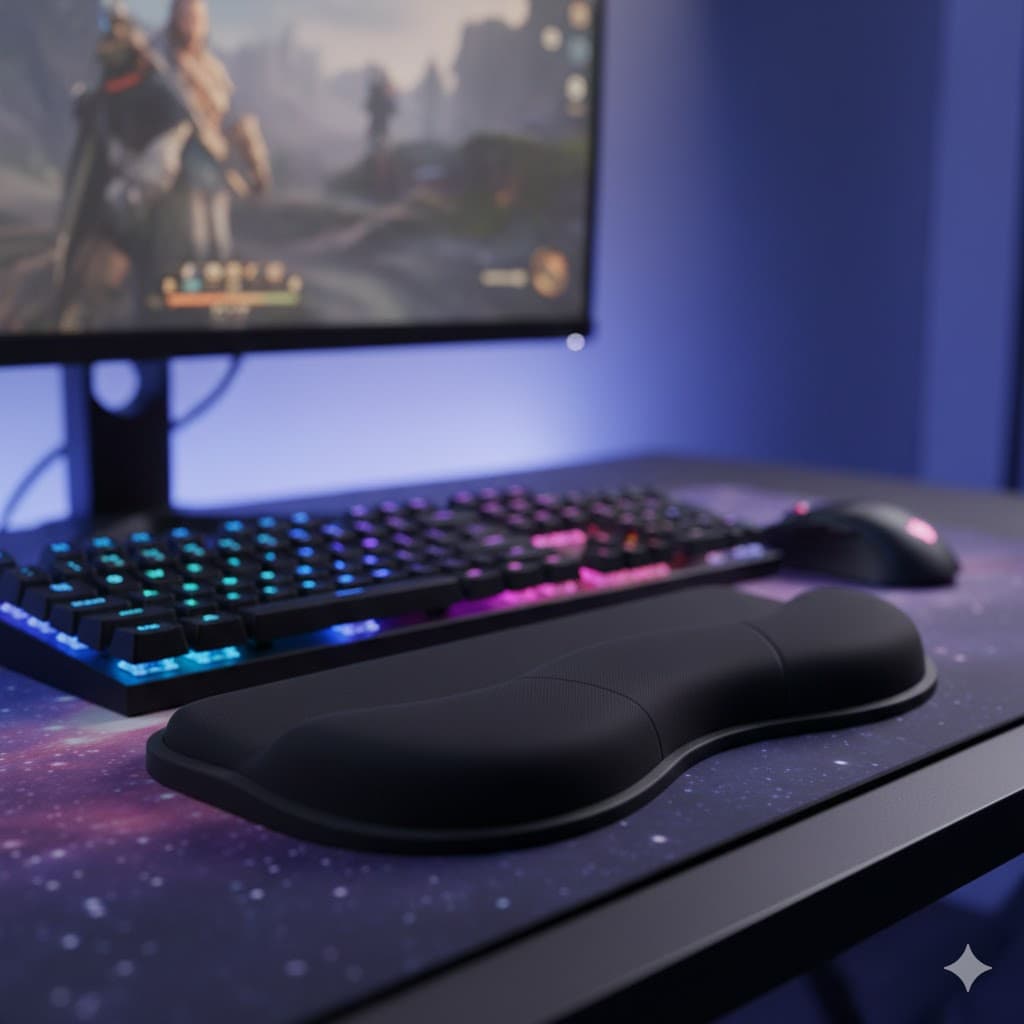
An ergonomic wrist rest for gaming is often discussed in terms of posture, but its value extends further. During extended gameplay, wrists naturally seek a resting point. Without support, tension accumulates quietly, disrupting flow and comfort over time. A well-designed rest reduces that strain without demanding attention.
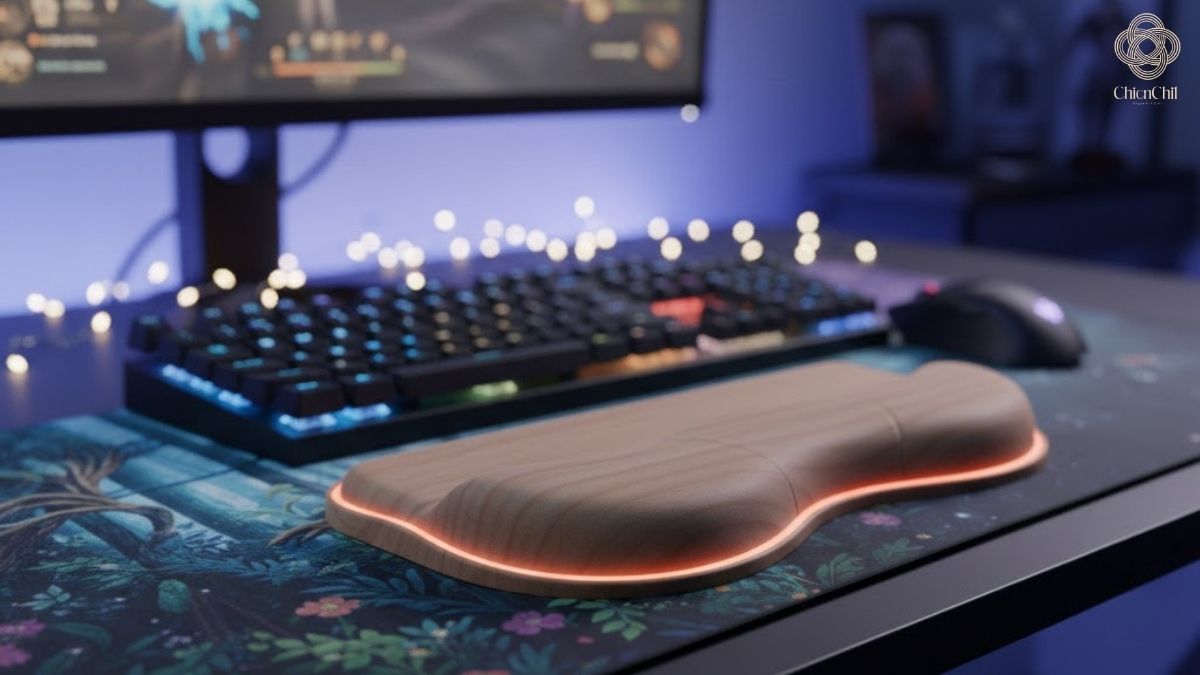
Beyond physical relief, it contributes to mental continuity. When the hands feel stable, movements become instinctive. This sense of ease allows gamers to stay present in the experience rather than constantly adjusting position.
In lifestyle-oriented setups, ergonomics blends into aesthetics. A wrist rest that aligns with desk materials and color tones feels intentional rather than medical. It becomes part of a space designed for balance, not correction.
Ergonomic wrist rest for gaming as part of a personalized desk experience
No two gaming desks feel the same. Lighting, keyboard layout, mouse sensitivity, and chair height all reflect individual preference. An ergonomic wrist rest for gaming adapts to these variations, offering a subtle anchor point.
Rather than forcing a fixed posture, modern designs accommodate natural movement. Soft resistance, gradual elevation, and tactile surfaces allow the wrist to shift comfortably during different types of play. This adaptability is especially important for gamers who alternate between intense sessions and casual use.
In curated setups, wrist rests often complement keycaps, desk mats, or ambient lighting. Lifestyle brands like Chicnchill frequently highlight how small ergonomic details can coexist with decor, reinforcing the idea that comfort does not have to compromise visual harmony.
How gaming wrist rest design influences long sessions
A gaming wrist rest directly affects how long a player can remain comfortable without breaks. Material choice is fundamental in this context. Dense foam, resin-infused surfaces, or layered textiles each offer a distinct tactile experience.
For extended play, gradual support matters more than firmness alone. The wrist should feel guided, not propped. Overly rigid rests may cause pressure points, while overly soft ones lose shape. Responsiveness is what ultimately brings everything into harmony.
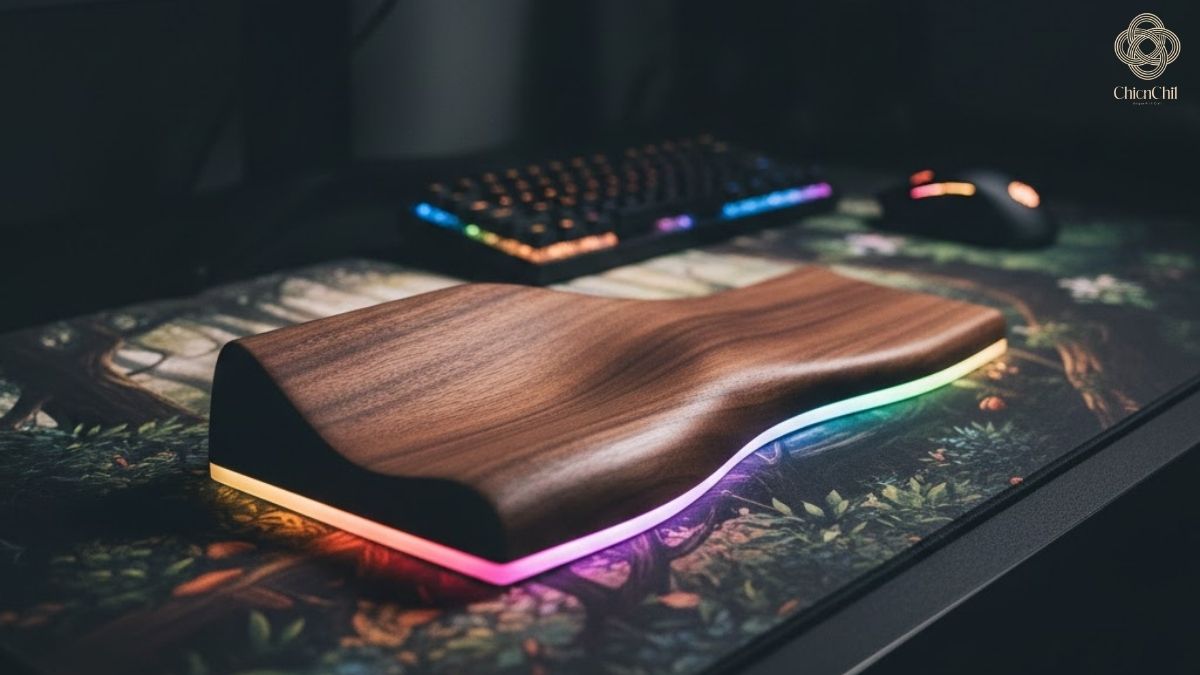
This item stands out through the following characteristics:
-
A surface that stays cool and neutral to the touch
-
Proper height alignment with the keyboard or controller
-
Rounded edges that do not dig into the forearm
When these elements align, long gaming sessions feel less demanding, allowing focus to remain on gameplay rather than physical adjustment.
Ergonomic wrist rest for gaming and emotional immersion
The gaming experience goes beyond technical mechanics. It is emotional, immersive, and often deeply personal. An ergonomic wrist rest for gaming quietly supports that immersion by removing minor discomforts that break concentration.
When wrists are supported, hands move with confidence. This stability enhances responsiveness and rhythm, particularly in games requiring sustained precision. Over time, the wrist rest becomes part of muscle memory, blending into the experience rather than standing out.
In decor-forward gaming spaces, this emotional layer matters. Objects are chosen not only for performance but for how they make the space feel. A thoughtfully crafted wrist rest adds calm, signaling that the setup is designed for enjoyment, not endurance alone.
Desk ergonomics for gamers in modern living spaces
Gaming desk ergonomics has evolved alongside changing lifestyles. Gaming setups now exist in bedrooms, shared living spaces, and multifunctional rooms. This shift places greater importance on accessories that feel intentional rather than intrusive.
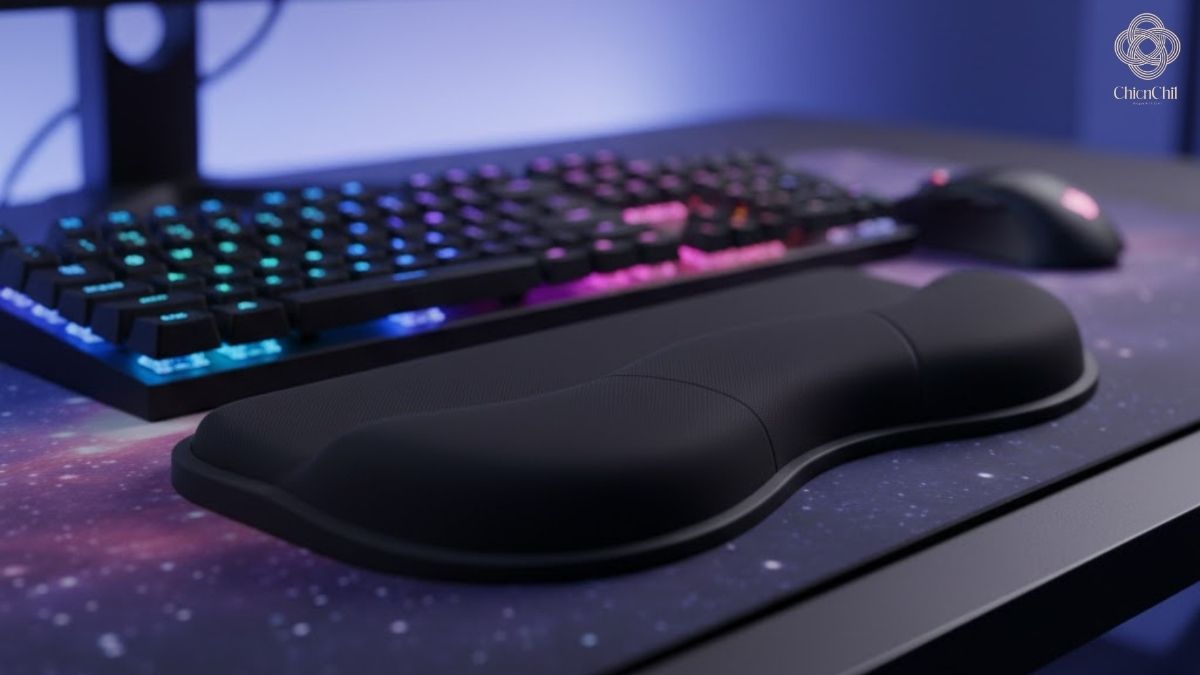
An ergonomic wrist rest supports this evolution by offering comfort without visual clutter. Clean lines, natural finishes, or subtle textures allow it to blend seamlessly with modern interiors.
In these environments, ergonomics becomes part of self-care. Supporting wrists is not about optimizing performance metrics, but about respecting the body during leisure time. This perspective aligns with lifestyle brands that frame gaming as a holistic experience rather than a competitive obligation.
Ergonomic keyboard wrist support and material storytelling
An ergonomic keyboard wrist support often tells a story through material choice. Wood accents suggest warmth and grounding. Resin finishes introduce artistry and individuality. Fabric-covered rests feel soft and familiar.
These materials influence not only comfort but emotional response. A surface that feels pleasant encourages relaxed interaction, while a thoughtfully finished edge signals craftsmanship.
Many gamers gravitate toward accessories that age gracefully. Over time, subtle wear adds character rather than detracts from appearance. This relationship between use and material echoes the philosophy behind curated collections often associated with Chicnchill, where objects gain meaning through daily interaction.
Wrist rest for long gaming sessions as a lifestyle choice
A wrist rest for long gaming sessions is less about intensity and more about sustainability. It supports the idea that gaming can be integrated into daily life without physical fatigue.
Long sessions do not always mean competitive play. They may include narrative-driven games, creative building, or social interaction. In these moments, comfort enhances enjoyment rather than performance alone.
Lifestyle-focused gamers often prioritize accessories that support this balance. A wrist rest becomes a quiet companion, allowing sessions to extend naturally without discomfort signaling the need to stop prematurely.
How ergonomic wrist rest for gaming supports focus and flow
Flow state is central to immersive gaming. An ergonomic wrist rest for gaming contributes by reducing micro-disruptions. When wrists are supported, the brain expends less energy on physical adjustment.
This uninterrupted focus enhances reaction time and emotional engagement. The hands move fluidly, responding to on-screen events without hesitation caused by discomfort.
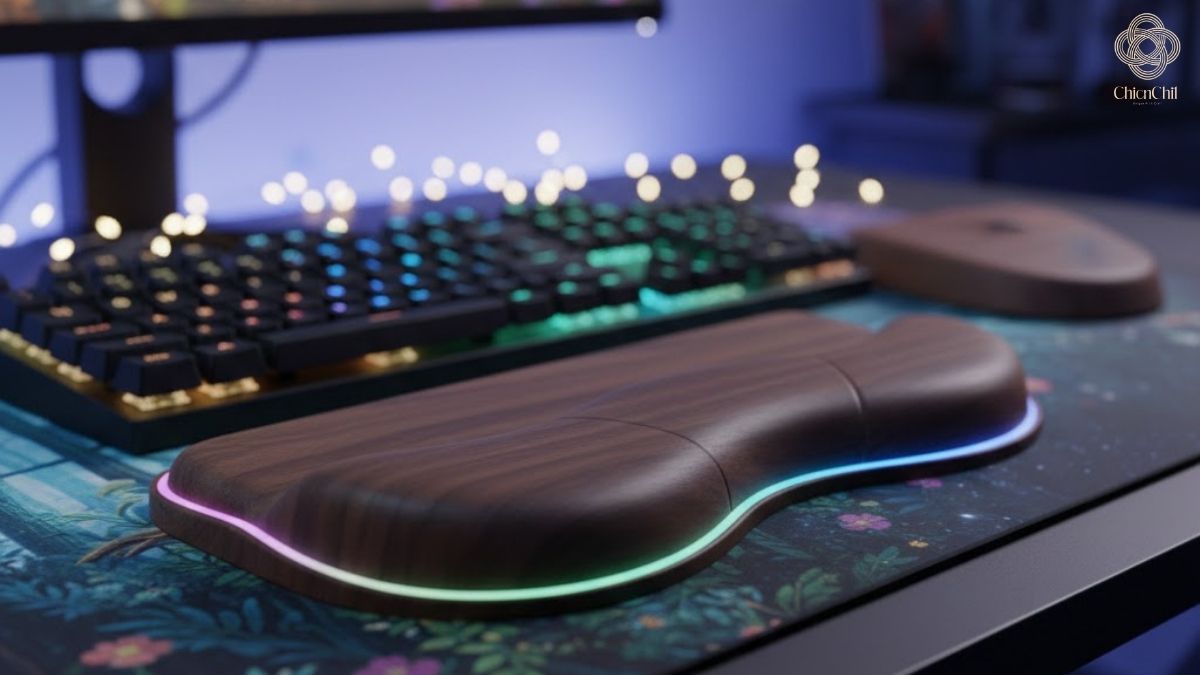
In thoughtfully designed setups, this flow extends beyond gaming. The same desk may be used for work, creative projects, or relaxation. A wrist rest that supports multiple activities reinforces continuity throughout the day.
Reference notes on ergonomics and long-term comfort
Ergonomic research consistently emphasizes neutral wrist alignment and reduced pressure during repetitive activities. While individual needs vary, general principles support the use of wrist rests that encourage natural positioning rather than rigid correction.
Observing how the body responds over time is essential. Comfort should feel consistent, not forced. Lifestyle-oriented collections often reflect this understanding, focusing on adaptability and sensory comfort rather than aggressive ergonomic claims.
Brands like Chicnchill tend to frame these insights gently, encouraging users to notice how small changes in setup influence daily experience rather than prescribing strict rules.
Conclusion: integrating ergonomic wrist rest for gaming into everyday comfort
An ergonomic wrist rest for gaming ultimately represents intention. It signals care for comfort, focus, and the emotional quality of time spent at the desk. Through thoughtful design, material choice, and subtle support, it enhances long gaming sessions without demanding attention.
When integrated naturally into a personalized setup, it becomes part of the environment rather than an add-on. In that sense, wrist support reflects a broader lifestyle approach—one that values balance, longevity, and quiet enjoyment. Exploring curated perspectives, such as those often associated with Chicnchill, can offer inspiration for creating gaming spaces that feel both supportive and deeply personal.