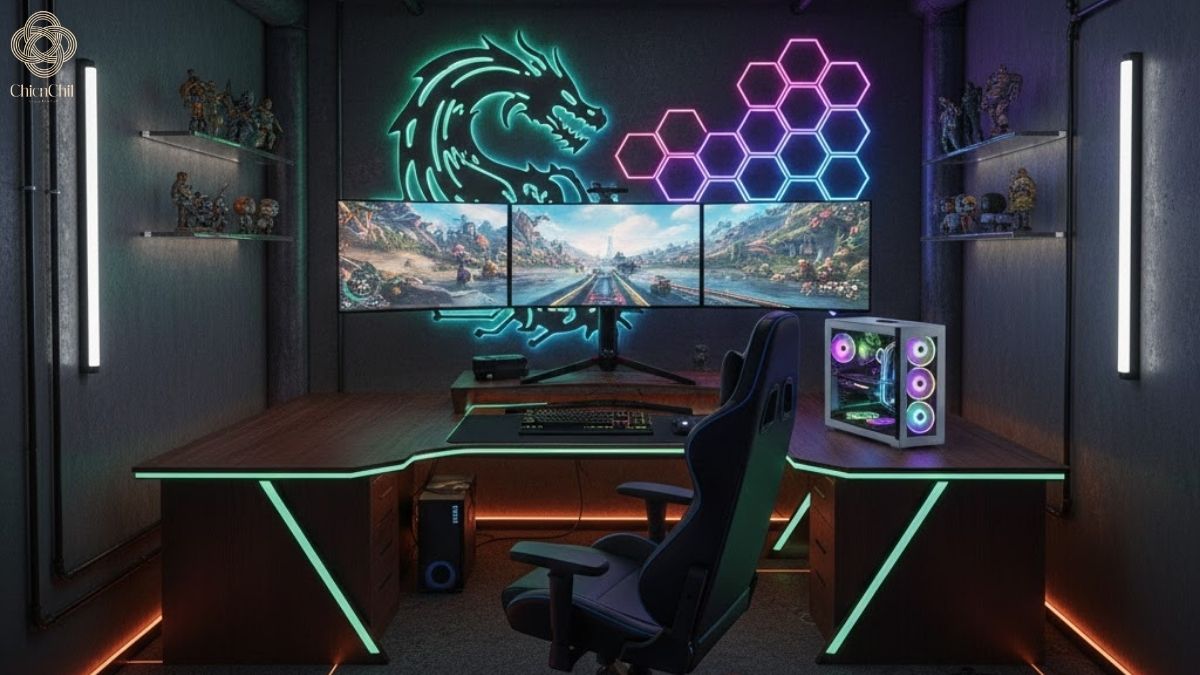
 Gamer room decor has gradually evolved from a purely functional setup into a personal environment shaped by mood, identity, and daily rhythm. A gaming space today is no longer defined only by screens and hardware, but by how comfortably it supports long hours of focus, rest, and immersion. When designed with intention, a gamer room becomes a place where aesthetics and experience quietly coexist.
Rather than chasing trends or flashy visuals, thoughtful gaming environments focuses on atmosphere, balance, and emotional comfort. Subtle details, material choices, and lighting decisions all play a role in shaping how the space feels over time.
Understanding the role of gamer room decor in everyday life
At its core, gamer room decor reflects how individuals interact with their space during moments of escape, creativity, and connection. A well-considered gaming environment does not overwhelm the senses. Instead, it supports concentration while still feeling personal and grounded.
Many gaming room decor ideas emphasize visual impact, yet comfort and longevity matter just as much. A room that feels inspiring on day one should remain pleasant after months of use. This balance often comes from choosing decor elements that age gracefully rather than relying on short-lived trends.
Key principles often seen in well-designed gamer rooms include:
-
A restrained color palette that avoids visual fatigue
-
Decor that supports posture, lighting, and eye comfort
-
Objects that reflect individuality without excess
Gamer room decor and the importance of lighting atmosphere
Lighting quietly shapes how a gaming room functions and feels. Within gamer room decor, lighting is not just about brightness but about layering different sources to create depth and control.
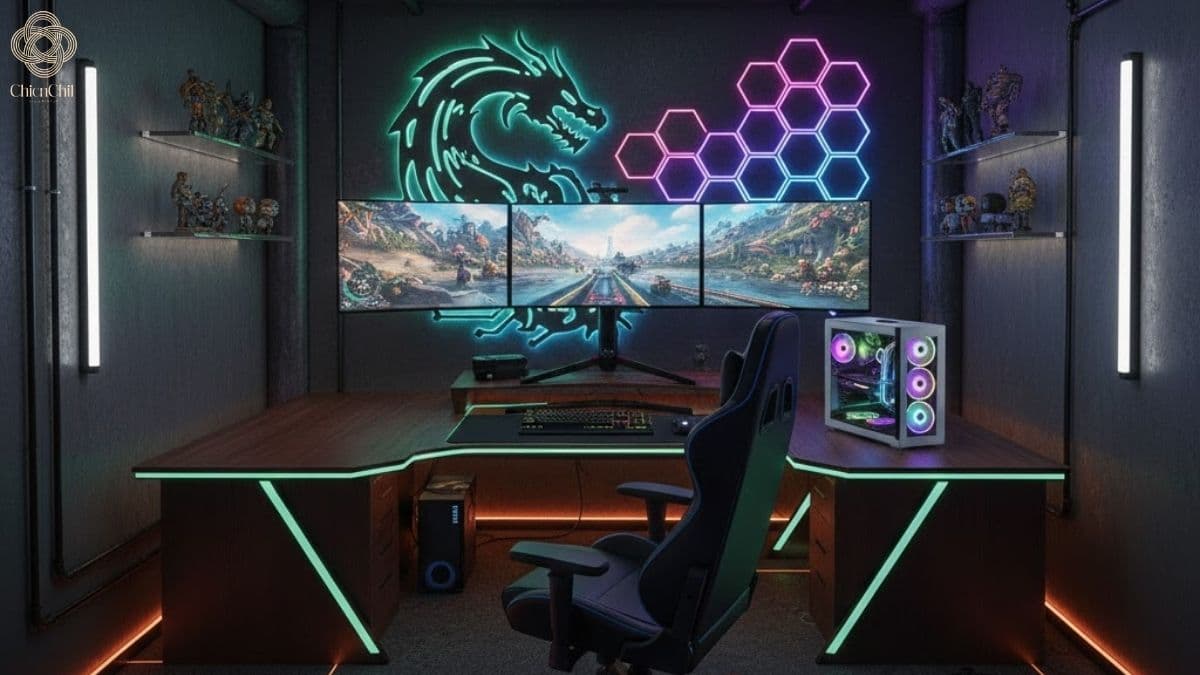
Many gamers favor LED gaming room lighting for its flexibility and adaptability. Soft ambient light reduces eye strain during long sessions, while accent lighting adds character without distraction. The goal is not to flood the room with color, but to guide attention naturally.
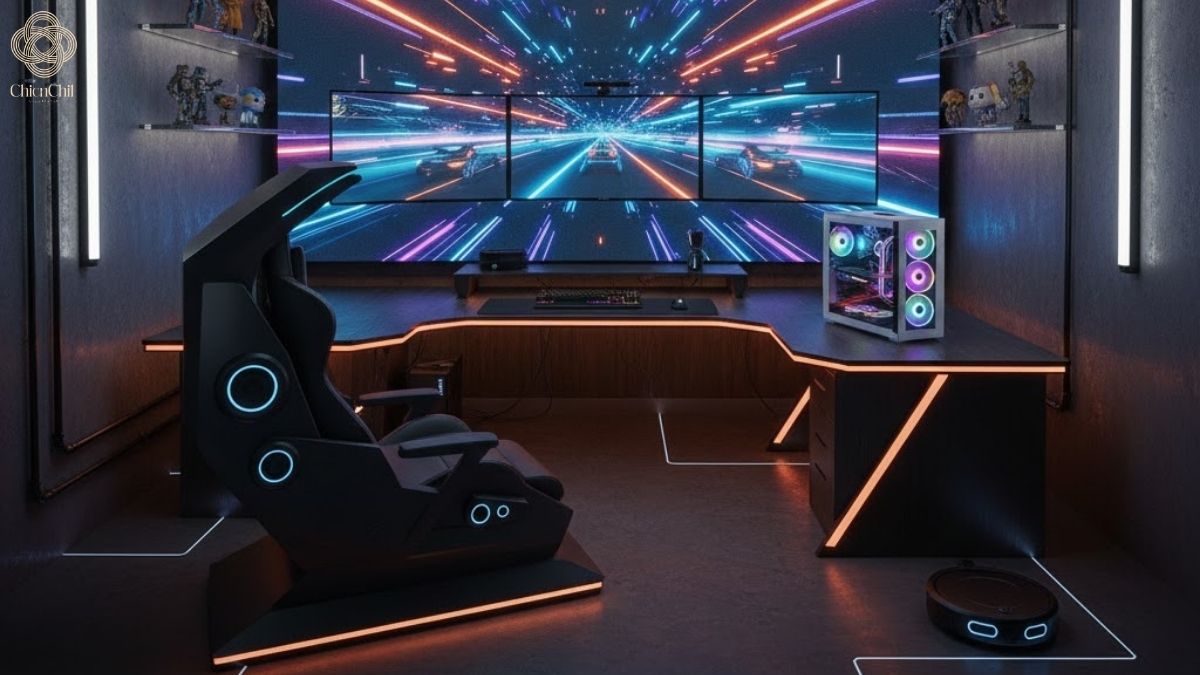
Frequently used lighting approaches include:
-
Indirect LED strips behind desks or shelves
-
Warm accent lights to soften dark corners
-
Adjustable task lighting for desk-focused activities
When lighting is balanced correctly, the room feels immersive without becoming visually exhausting.
Creating balance through gaming wall decor
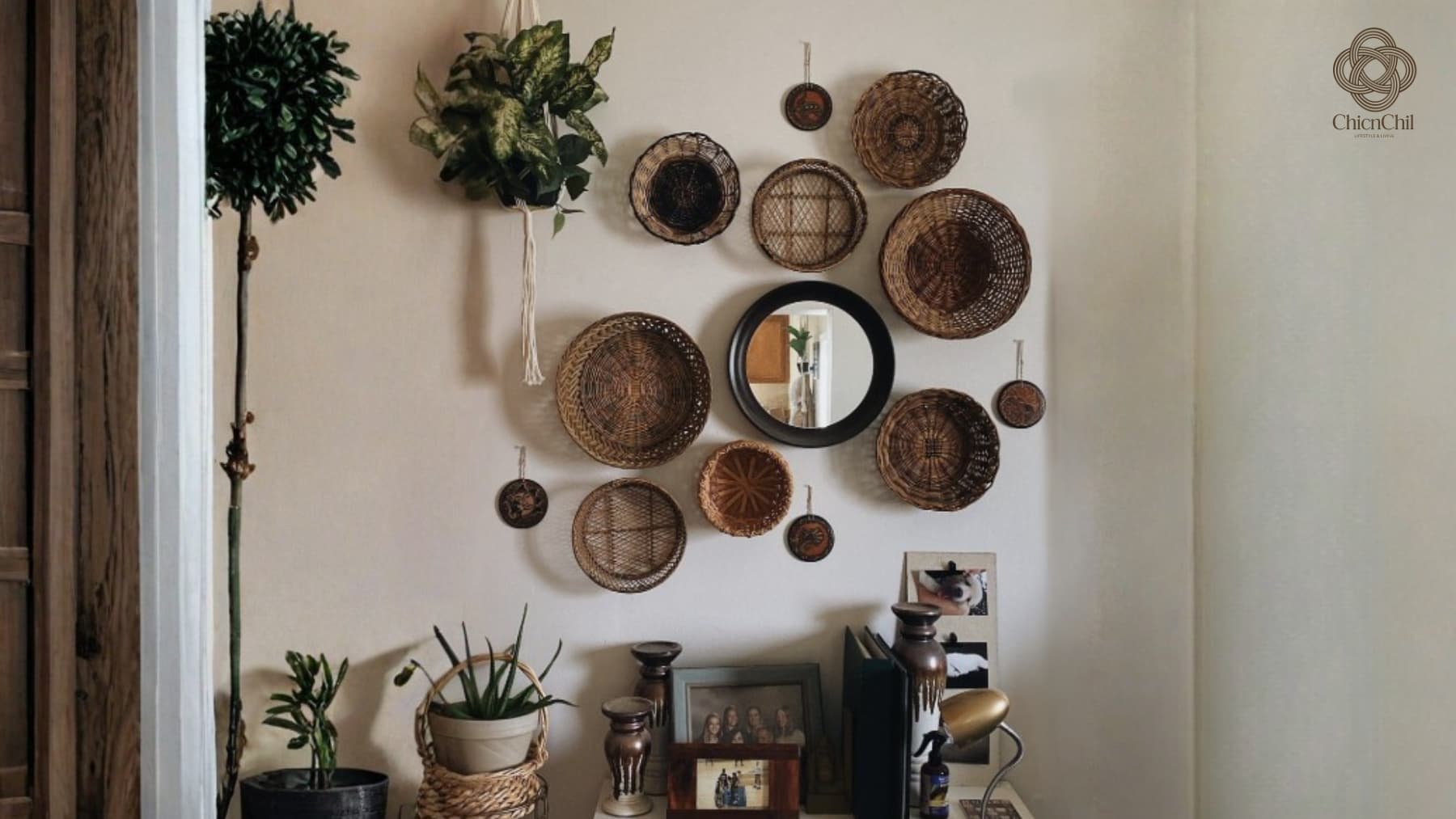
Walls often define the personality of a gaming space. Thoughtful gaming wall decor allows the room to feel expressive without becoming chaotic. Instead of covering every surface, many successful gamer rooms rely on selective placement.
Artwork, framed posters, or minimalist shelves can introduce visual interest while leaving room for the eyes to rest. Empty space holds equal importance to decorative elements. A well-spaced wall composition can feel intentional rather than crowded.
Effective wall decor choices often include:
-
Limited-color artwork that matches the room’s palette
-
Compact shelves showcasing items with personal meaning.
-
Textured materials that add depth without shine
This approach helps gamer room decor feel curated rather than overstimulating.
Materials that bring warmth to gamer room decor
While technology dominates gaming spaces, natural materials provide balance. Wood, fabric, and matte finishes soften the overall atmosphere and prevent the room from feeling overly mechanical.
Incorporating these elements into gaming space design adds subtle warmth:
-
Wooden desk surfaces or wall accents
-
Fabric panels or soft wall hangings
-
Neutral textiles for chairs or seating areas
Some lifestyle-focused decor brands, including Chicnchill, emphasize handcrafted textures and calm materials that complement modern gaming setups without overpowering them. These elements quietly support comfort rather than drawing attention to themselves.
Designing a cozy gaming space without overcrowding
A cozy gaming space does not depend on size. It depends on proportion, flow, and restraint. Overfilling a room with furniture or decor often creates tension rather than comfort.
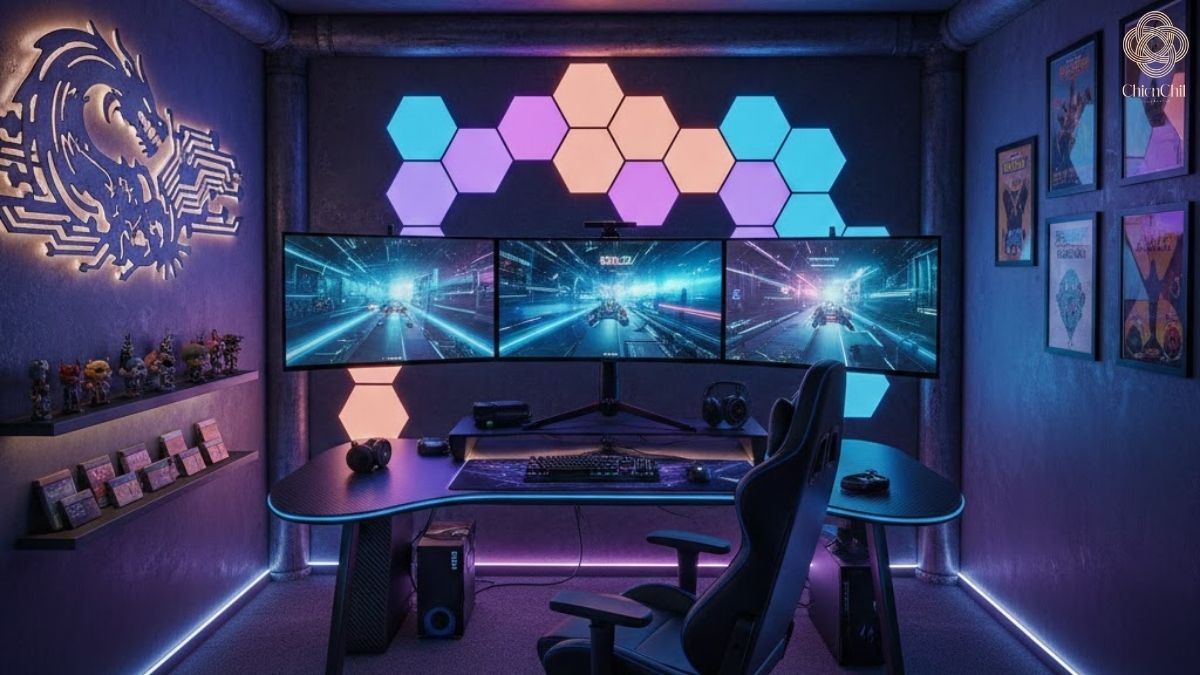
Instead, gamers increasingly favor:
-
Fewer, more intentional furniture pieces
-
Clear circulation paths and open floor space
-
Decor that balances aesthetic appeal with practical function
When decor prioritizes breathing room, the space naturally feels more relaxing and easier to maintain.
Gamer room decor as a reflection of personal identity
Personalization is where gaming environment truly becomes meaningful. Rather than copying popular setups, many gamers choose items that tell quiet stories about their interests and experiences.
This might include:
-
Memorabilia from favorite games or events
-
Handmade decor pieces with emotional value
-
Objects collected over time rather than purchased all at once
Such choices help the room feel lived-in and authentic. The space becomes less about display and more about belonging.
Integrating a gallery wall into a gaming setup
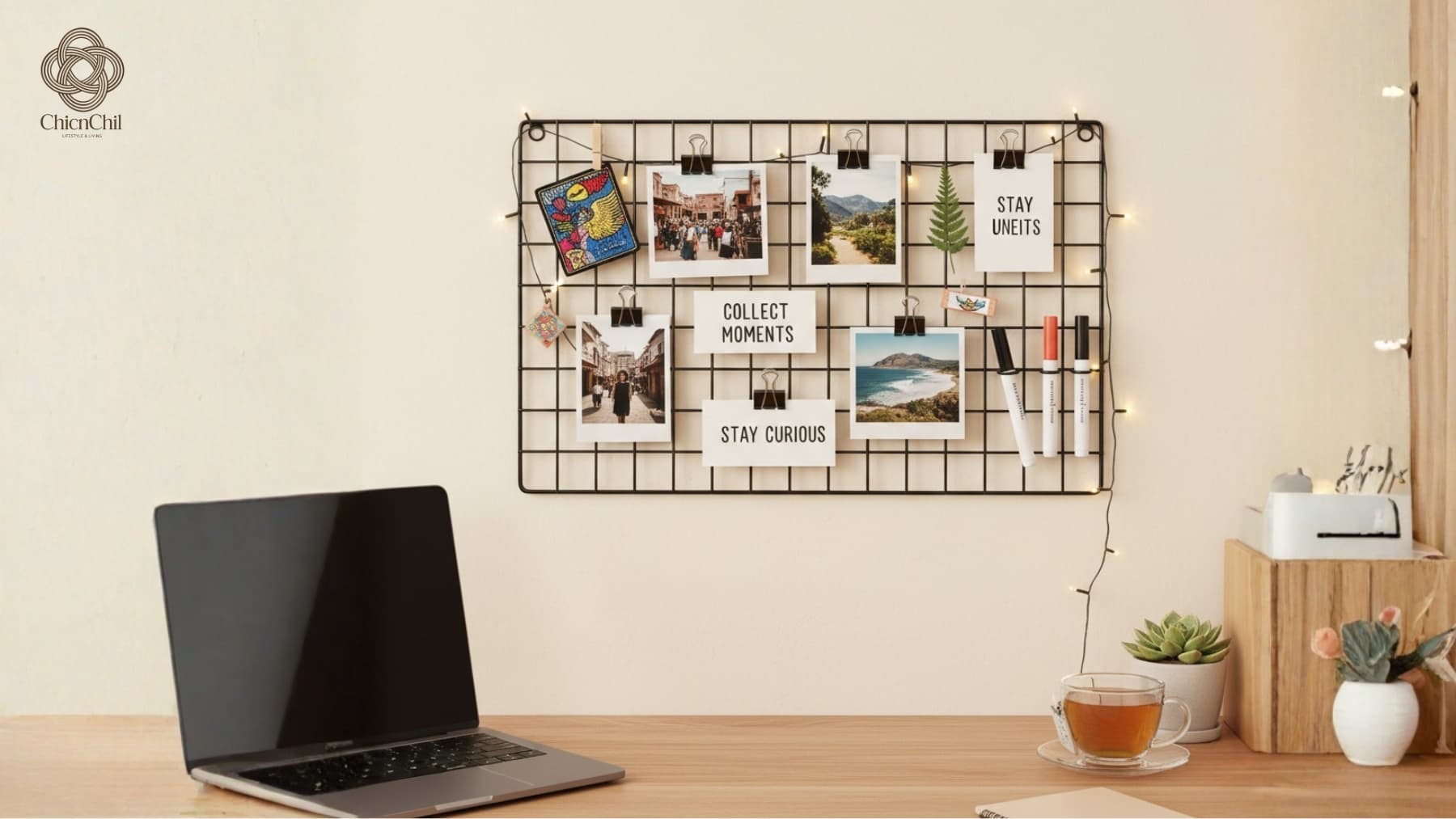
A gallery wall can work surprisingly well in gamer rooms when approached with moderation. Instead of dense arrangements, spacing and consistency create visual calm.
Gallery walls in gaming spaces often work best when:
-
Frames share similar tones or materials
-
Images adhere to a consistent visual theme
-
The layout leaves space between elements
This method allows gamer room decor to feel artistic without competing with screens and lighting.
Long-term comfort and functional decor choices
Decor that looks good but feels uncomfortable rarely lasts. Functional comfort should always guide decor decisions, especially in rooms designed for extended use.
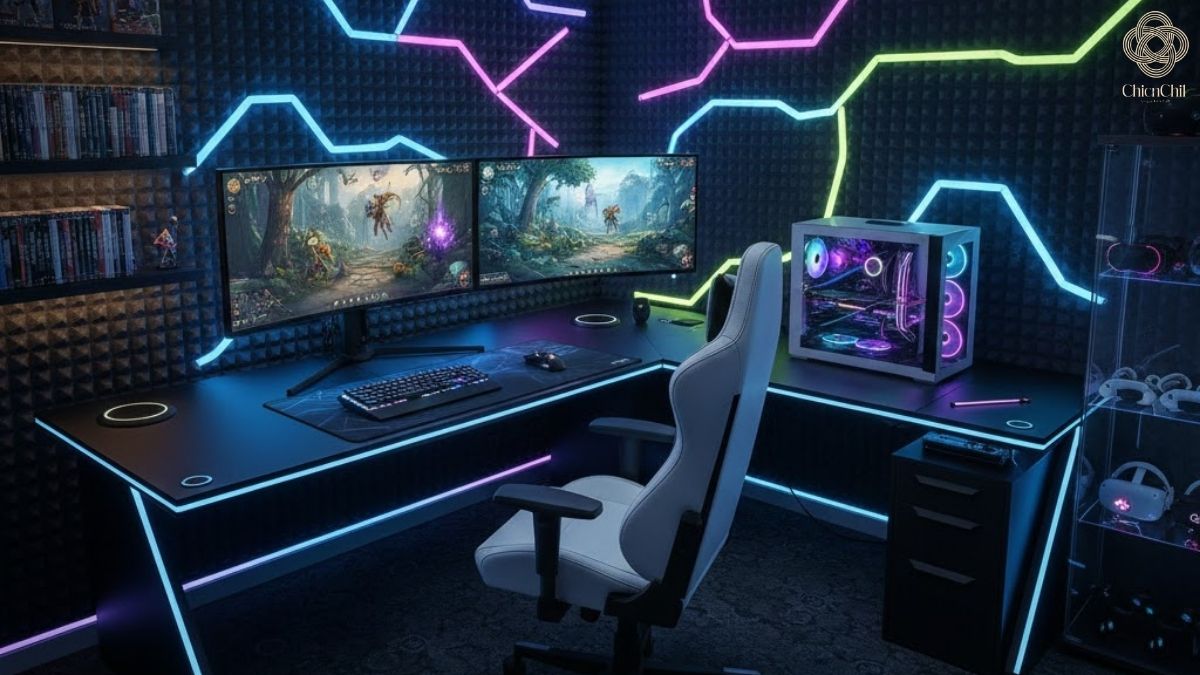
Considerations include:
-
Ergonomic seating paired with calming surroundings
-
Sound-softening materials for better acoustics
-
Surfaces that are easy to maintain and age gracefully
When comfort is prioritized, room aesthetics for gamers support healthier routines and longer enjoyment of the space.
Reference notes for inspiration and planning
Design inspiration can come from many sources, including interior lifestyle publications, personal travel experiences, or curated home decor collections. Observing how light, texture, and spacing work together in non-gaming interiors often provides fresh ideas for gaming rooms.
Studying calm living spaces, reading design journals, or exploring handcrafted decor concepts-such as those highlighted by Chicnchill-can offer perspective beyond typical gaming aesthetics.
Conclusion: a thoughtful approach to gamer room decor
Decor is most successful when it feels intentional rather than excessive. A balanced gaming space supports both immersion and rest, allowing the room to grow with its owner over time.
By focusing on atmosphere, material harmony, and personal meaning, a gaming room can become more than a setup. It becomes a space that feels steady, expressive, and quietly comfortable-one that supports everyday moments as much as gameplay itself.