In homes where calm is valued more than visual perfection, wabi-sabi wall decor emerges as a quiet and deeply meaningful choice. It often appears when a space feels overly polished or emotionally distant-complete in form, yet lacking warmth. Rather than filling walls with loud decorative statements, this aesthetic introduces softness, natural texture, and a gentle sense of time passing.
At Chicnchill, we believe that a home is a living entity, not a showroom. This philosophy resonates with those who find comfort in subtlety: handcrafted forms, organic materials, and details that feel honest rather than flawless. Within interiors shaped by our lifestyle perspective, natural wall art becomes a grounding presence, helping spaces feel reflective, human, and deeply lived-in.
Understanding wabi-sabi interior style: the beauty of authenticity
To appreciate the beauty of wabi-sabi wall decor, one must first understand the ancient Japanese philosophy that inspired it. Wabi-sabi interior style is rooted in the acceptance of transience and imperfection. The concept combines wabi, representing modesty and quiet living, with sabi, which finds beauty in the natural patina of age and wear.
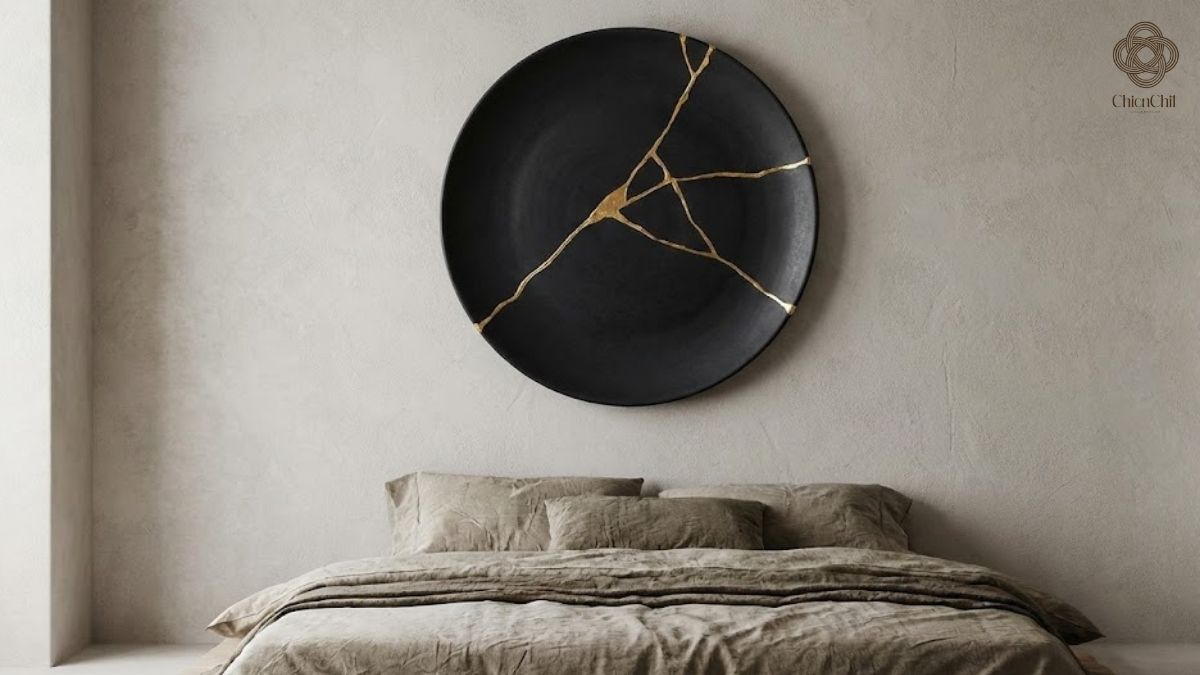
Translated into home styling, this philosophy moves away from mass-produced uniformity. Instead, it favors decoration created from elemental materials such as weathered wood, raw clay, handmade paper, and woven fibers. In a world that constantly demands "more" and "better," wabi-sabi offers a gentle invitation to appreciate things exactly as they are.
Why minimalist wall decor is essential for a grounded home
Modern interiors often rely on uniform colors and precise lines. While clean, these elements can sometimes feel sterile. This is why minimalist wall decor is essential-it provides the "soul" that industrial minimalism often lacks. In a wabi-sabi context, minimalism is not about emptiness; it is about making room for the objects that truly matter.
When you choose minimalist wall decor, you are practicing restraint. You are allowing a single piece of art to hold the energy of the entire room. This focus helps to anchor the space, reducing visual noise and creating an environment where the mind can finally rest. At Chicnchill, we see this form of decor as a bridge between functional living and spiritual peace.
Settling the space with wabi-sabi wall decor and restraint
Many interiors look visually complete but still feel emotionally empty. Everything is aligned, yet something remains missing. In these moments, the introduction of wabi-sabi wall decor offers a shift in atmosphere. It does not seek attention through bold colors or perfect symmetry.
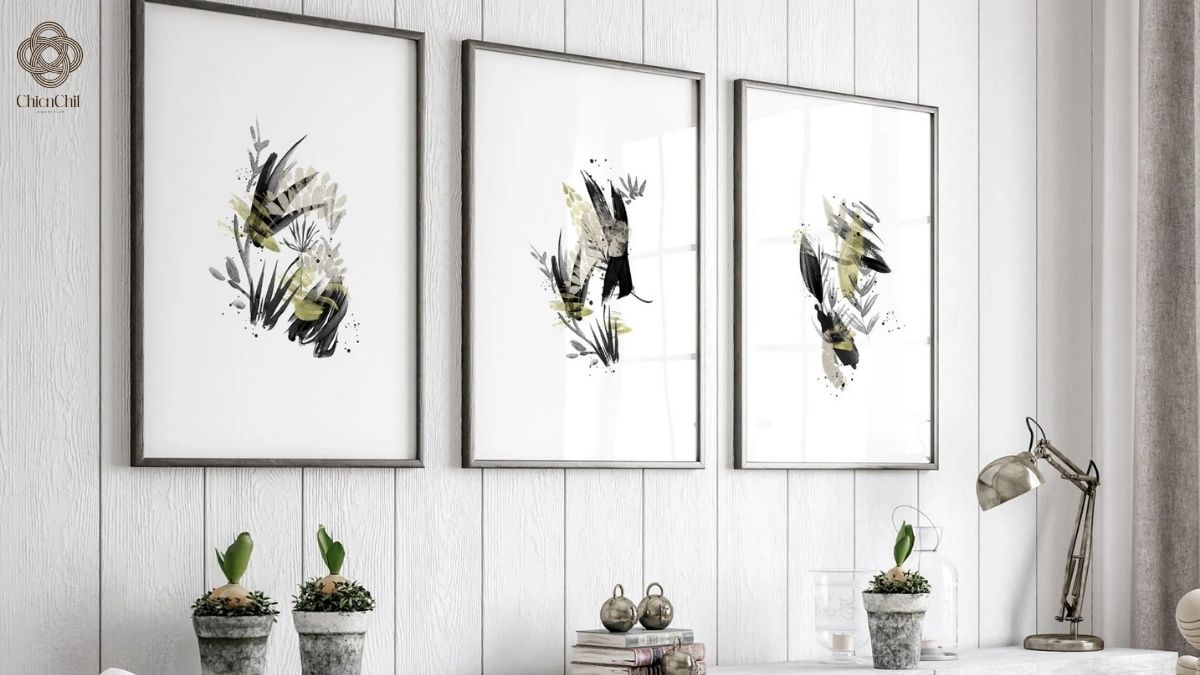
Instead, it settles the room through tactile texture. It allows the wall to feel calmer and more organic. This quiet presence aligns naturally with Chicnchill’s mission: where decoration supports daily living rather than dominating it. By choosing pieces that reflect the natural world, you bring a sense of stability and "settledness" to your home that no trend can provide.
The artisanal value of handmade wall decor in modern living
Handmade craftsmanship lies at the very heart of the wabi-sabi aesthetic. Unlike industrial pieces, handmade wall decor retains the visible marks of human touch. A thumbprint in the clay, a slight irregularity in a bamboo weave, or a natural knot in the wood are not flaws to be hidden-they are defining characteristics.
In our modern era of automation, the artisanal value of these objects becomes even more significant. When you hang handmade wall decor, you are inviting the story of the artisan into your home. You are celebrating a slow process that honors the material. This human connection is what transforms a house into a sanctuary, creating an environment that feels cared for and intentional.
Celebrating authenticity with imperfect handmade art
Within the wabi-sabi mindset, imperfections give each piece its unique identity. Imperfect handmade art creates a sense of honesty that machine-made items simply cannot replicate. An uneven edge or a natural variation in material color tells a story of time, care, and human intention.
-
Authenticity: It reflects the real world, which is never perfect.
-
Connection: Every piece connects the inhabitant to the earth and the maker.
-
Calmness: Soft, irregular forms are naturally more soothing to the human eye than sharp, artificial lines.
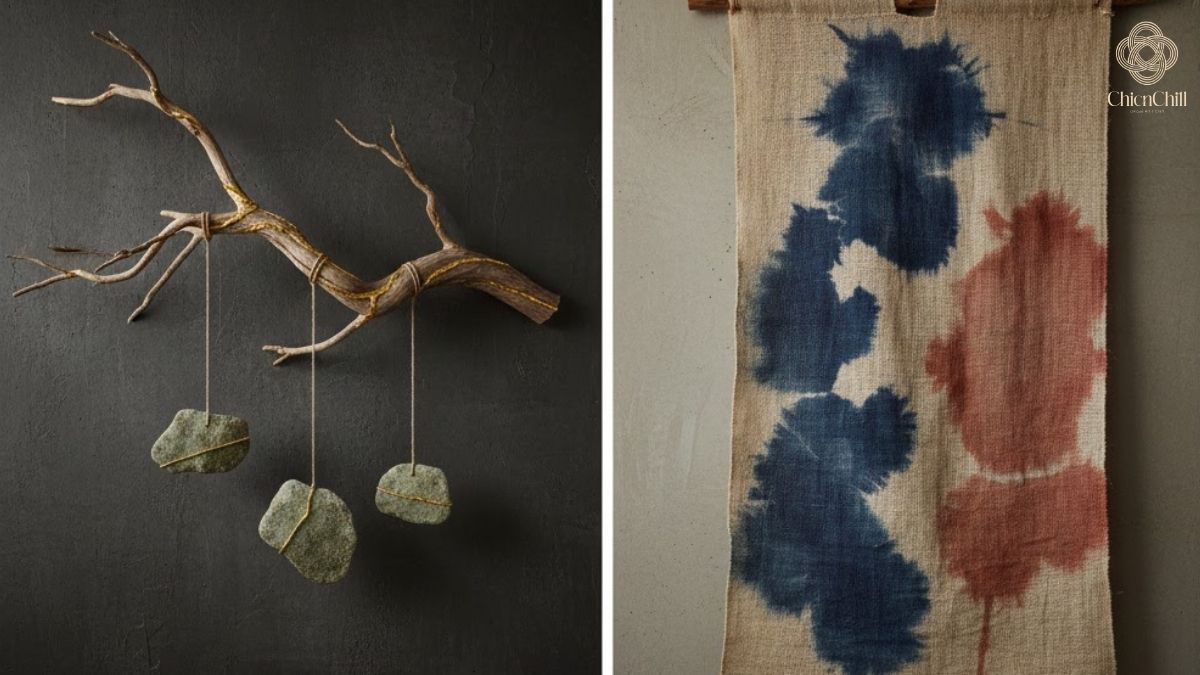
Rather than acting as a focal point designed to impress, imperfect handmade art forms a quiet emotional connection with the inhabitant, encouraging a slower and more appreciative way of seeing the world.
The materiality of natural wall art: wood, bamboo, and woven fibers
The materials chosen for natural wall art are as important as the design itself. To achieve a truly grounded wabi-sabi look, Chicnchill focuses on elements that come directly from the earth:
Reclaimed Wood: Carrying the history of its previous life through cracks and grain.
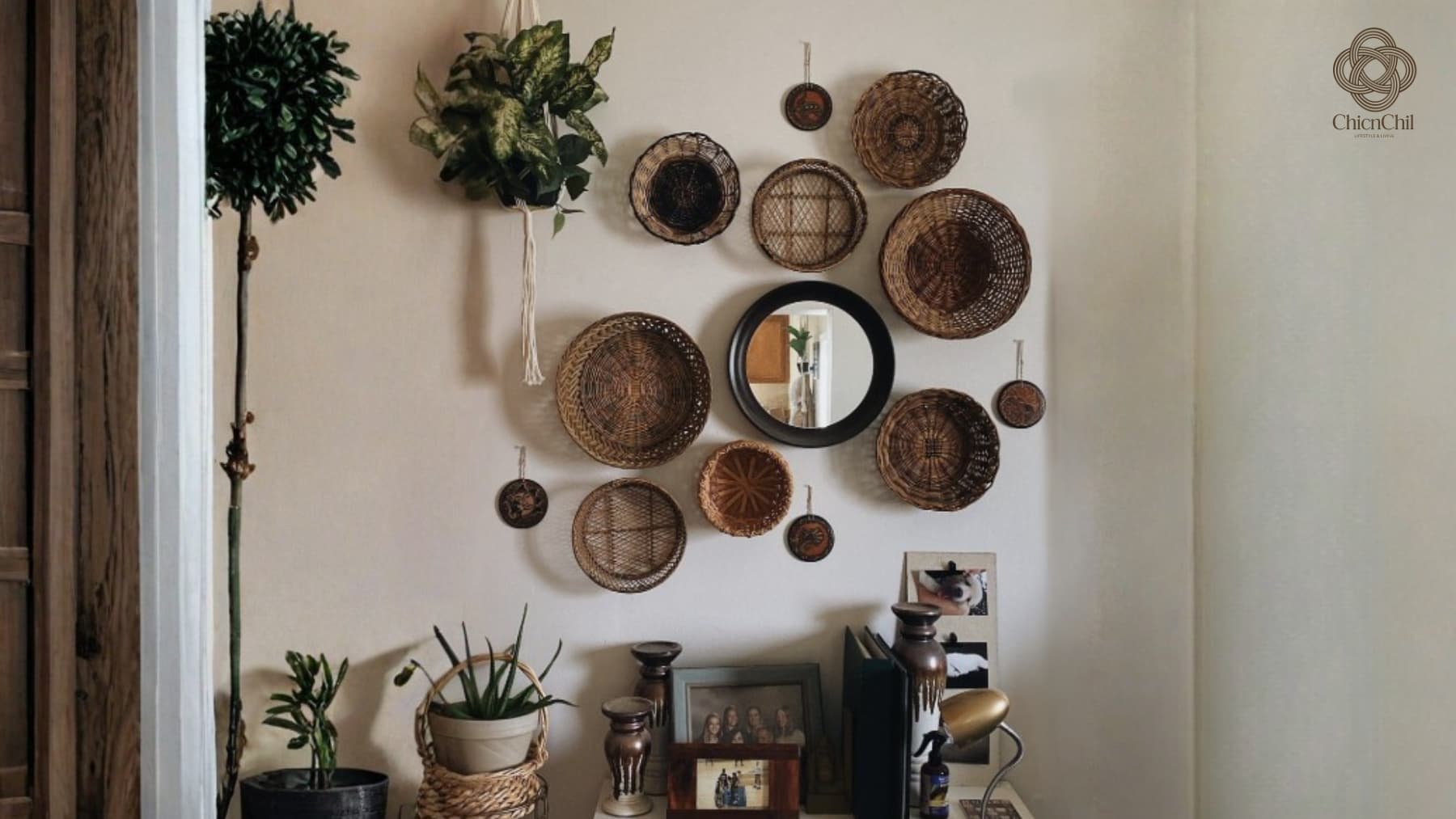
Woven Bamboo & Rattan: Introducing warmth and intricate, organic patterns.
Handmade Paper & Linen: Adding a soft, tactile layer to cold, flat surfaces.
Clay & Stone: Offering a heavy, elemental presence that feels secure.
Light interacts subtly with these textured surfaces, creating gentle shadows that change as the sun moves throughout the day. This dynamic quality makes natural wall art a living part of your interior.
How to arrange wabi-sabi wall decor with intention and balance
Styling wabi-sabi wall decor is guided more by intuition than by strict design rules. The goal is to allow your walls to "breathe."
-
Embrace Asymmetry: Perfect balance can feel stagnant. Try placing a piece slightly off-center to create a sense of natural ease.
-
The Power of Negative Space: Leave parts of the wall bare. By giving your handmade wall decor room to exist without competition, you create a peaceful retreat.
-
Lighting and Texture: Use soft, indirect lighting to enhance the handmade qualities of your art. Harsh lights can flatten the beautiful irregularities that make wabi-sabi so special.
Integrating wabi-sabi wall decor into contemporary minimalist interiors
One of the most beautiful aspects of this style is its versatility. Wabi-sabi wall decor integrates seamlessly into various modern aesthetics. It prevents minimalist homes from feeling sterile and adds a "human" layer to Scandinavian or Japandi spaces.
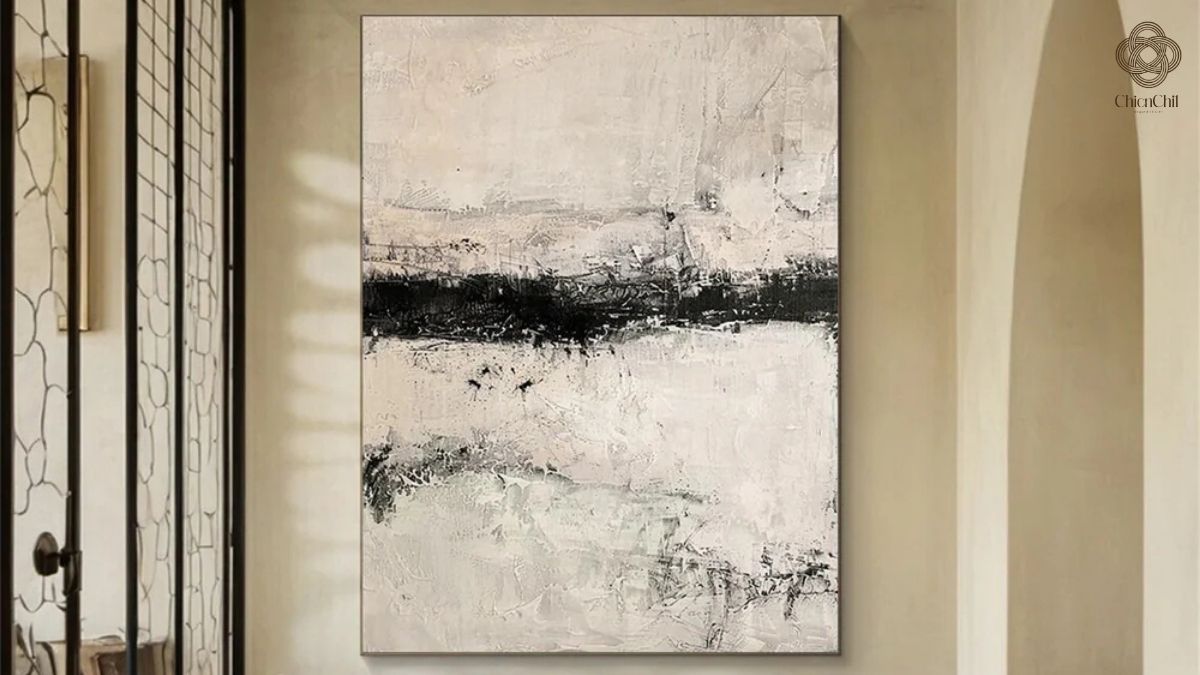
In nature-inspired or zen-inspired homes, it deepens the connection between indoor living and the natural world. Within Chicnchill-curated spaces, these pieces often serve as a quiet anchor, balancing the airy lightness of modern design with the earthy depth of traditional craftsmanship.
Lear more: https://chicnchill.net/blog/handmade-wall-art-inspired-by-nature-for-calm-modern-homes
Conclusion: choosing meaning over display with wabi-sabi wall decor
In the end, wabi-sabi wall decor offers a gentle way to bring meaning and calm into our fast-paced lives. Through imperfect handmade art, it encourages us to slow down, breathe, and appreciate the authentic beauty found in the everyday.
In a home shaped by intention rather than excess, minimalist wall decor becomes more than an accessory-it becomes a quiet presence that feels honest, grounded, and deeply lived-in. For those drawn to a lifestyle that values the feeling of a space over its visual "perfection," wabi-sabi remains a timeless and soulful choice.
Discover the beauty of the handmade and the power of the imperfect. Explore our curated collection of natural wall art and find the piece that speaks to your home's unique story.